SEO Basics for Small Businesses
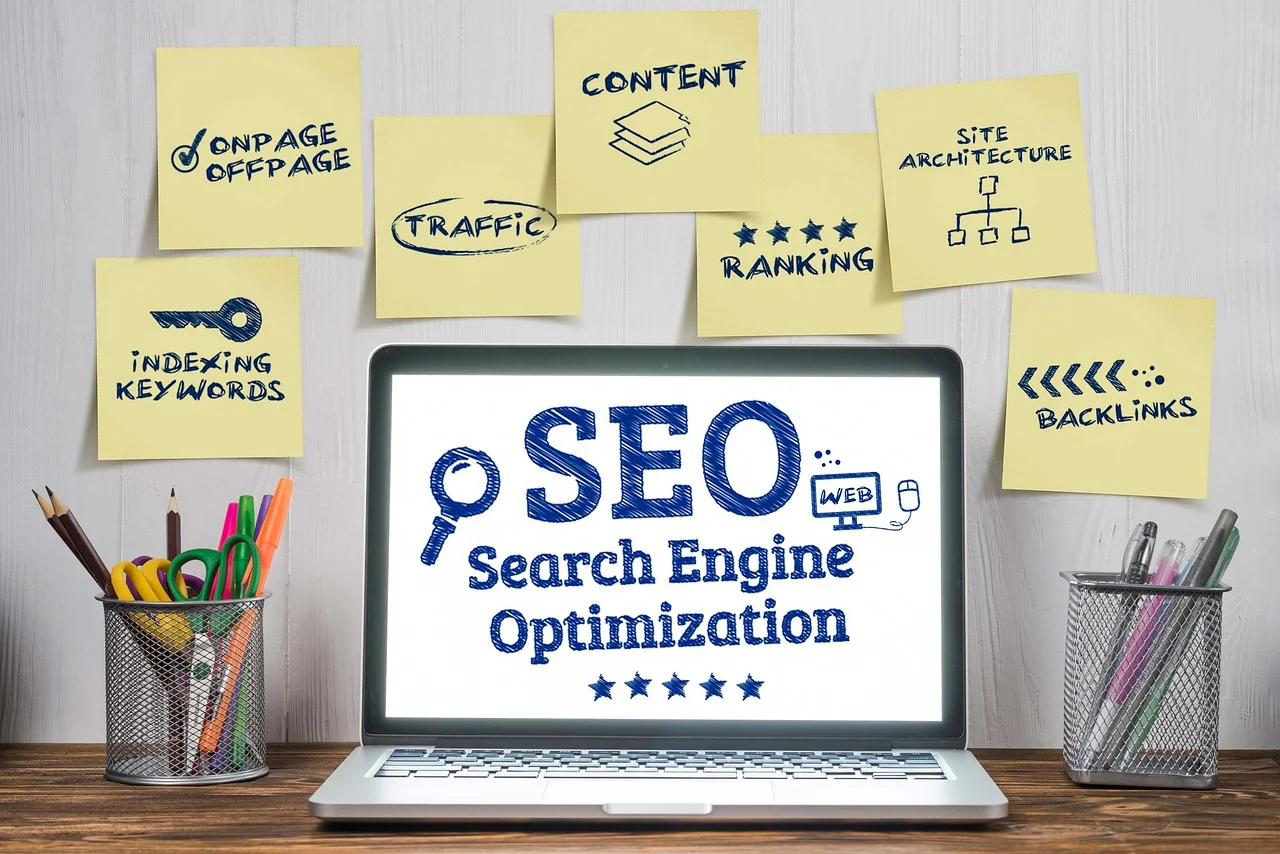
Small-business SEO is not about finding a trick that makes Google rank a website first. It is about making the business, its pages and its credibility easier for both people and search engines to understand.
That means getting the foundations right, creating genuinely useful pages and building real evidence that the business is relevant and trusted.
The small-business SEO checklist
If you only have time to focus on the essentials, start here:
- Make sure Google can crawl and index the important pages
- Give every page one clear purpose
- Match pages to genuine customer searches
- Make the mobile experience fast and easy to use
- Keep business details accurate wherever they appear
- Build reviews, references and links through real work
- Use Search Console to learn what is actually happening
These steps sound simple. Doing them consistently is where most of the value lies.
What SEO means for a small business
Search engine optimisation helps search engines understand your content and helps potential customers decide whether to visit. That is also how Google describes the purpose of SEO in its official starter guide.
For a small business, relevant visibility matters more than raw traffic.
A hundred visitors looking for a free tutorial may be less valuable than ten people searching for the exact service you provide in the area you serve. Before targeting a phrase, ask:
- Does this person have a problem the business solves?
- Is the page a useful answer to that search?
- Is there a sensible next action for the visitor?
This keeps SEO connected to business value rather than treating impressions as the final goal.
How Google decides what to show
Google uses many systems and signals; there is no short list that guarantees a position. A practical way to think about the work is:
- Access: can Google find, crawl and understand the page?
- Relevance: does the page satisfy the likely intent behind the search?
- Trust: is there credible evidence behind the business and its claims?
- Experience: can a visitor use the page comfortably, particularly on mobile?
Relevance remains fundamental. Excellent performance will not make an irrelevant page the best answer, and repeating a keyword will not turn thin content into a useful resource.
Google recommends creating helpful, reliable, people-first content, with clear authorship and evidence of real experience. That is a better long-term standard than writing to a supposed keyword density.
Technical SEO foundations
Technical SEO should remove barriers rather than become an endless checklist.
For most small-business sites, the essentials are:
- Secure HTTPS pages
- One crawlable URL for each important piece of content
- Descriptive page titles and logical headings
- Useful internal links
- A sitemap submitted through Search Console
- Correct redirects when URLs change
- No accidental
noindextags or blocked resources - A responsive mobile experience with the same important content
Google uses the mobile version of a site's content for indexing and ranking, which makes consistent mobile content particularly important. Its mobile-first indexing guidance recommends keeping headings, metadata, images and structured data equivalent across versions.

Page titles, descriptions and headings
Every important page should have a distinct title that accurately describes it. The main heading should make the page's purpose obvious to a visitor.
A meta description is different. It is not a promise that Google will display those exact words, and it is not a direct shortcut to higher rankings. Google primarily creates snippets from page content and may use the meta description when it is a better summary. A specific, useful description can still help the right person choose the result.
Google's guidance on search-result snippets recommends unique, page-specific descriptions rather than repeated keyword lists.
Write headings for readers. They should make a long page easy to scan and show how its sections relate. Forcing every keyword variation into a heading usually makes the page worse.
Search intent and useful content
Search intent is the reason behind a query.
Someone searching “what does a business website cost” wants guidance. Someone searching “web design Wirral” is more likely to be comparing providers. Those searches should not land on two versions of the same generic sales page.
Useful content usually does at least one of these:
- Explains a service in enough detail to make a decision
- Answers a real question the business regularly receives
- Shows first-hand work, experience or results
- Helps a reader compare sensible options
- Makes limitations, costs or responsibilities clearer
Before creating a new page, search the site itself. If an existing page already answers the question, improving that page may be better than publishing a near-duplicate.
This is especially important for location pages. A useful page should explain a genuine relationship with the place, the relevant service and how the work is delivered. Swapping one town name for another is not useful local content.
Local SEO for UK businesses
Google says local results are mainly based on relevance, distance and prominence. You cannot optimise distance away, so focus on the parts the business can genuinely improve.
For eligible local businesses:
- Claim and verify the Google Business Profile
- Choose accurate categories
- Keep hours, contact details and service information current
- Add useful photos
- Ask real customers for honest reviews without incentives
- Respond to reviews professionally
- Keep the website and important directory listings accurate
Google's local ranking guidance explains that complete information helps relevance, while links and reviews can contribute to prominence.
Consistency matters because customers and platforms need confidence that they have found the same business. It does not mean chasing every low-quality directory or repeating an address unnaturally on every page.

Links, mentions and authority
Links can help search engines discover pages and understand which sources others consider useful. The valuable ones normally come from real relationships and work:
- Professional bodies and memberships
- Suppliers or delivery partners
- Local organisations
- Genuine project credits or case studies
- Relevant publications
- Useful resources that people choose to reference
Buying links or creating large numbers of artificial directory entries is not a durable substitute. Google's spam policies specifically treat links created primarily to manipulate rankings as link spam.
The practical goal is not “get backlinks”. It is to give relevant organisations a legitimate reason to mention or reference the business.
Measure the right things
Google Search Console should be the starting point for organic search. It can show:
- Queries that generate impressions
- Pages appearing in search
- Clicks and click-through rate
- Average position trends
- Indexing and Core Web Vitals issues
Do not judge a page by one metric or a short period. Average position can hide large differences between queries, devices and locations. Impressions without clicks may mean the page ranks too low, targets the wrong intent or presents an unconvincing result.
Analytics can then help show what visitors do after arriving, provided it is configured with appropriate consent. For a service business, useful outcomes might include completed forms, calls, qualified enquiries and visits to important service pages.
How long SEO takes
There is no dependable “three-month” rule.
Some technical changes can be crawled within days or weeks. Competitive visibility and stronger authority can take much longer. Google notes that improvements may take anything from a few days to several months to be reflected, and no change guarantees a ranking increase.
The right approach is to:
- Fix clear technical barriers
- improve the pages closest to useful visibility
- add evidence and content where a real gap exists
- measure over a meaningful period
- keep what helps and rethink what does not
Common SEO mistakes
Avoid:
- Publishing pages only to target minor keyword variations
- Repeating phrases until the copy sounds unnatural
- Creating location pages with no local value
- Buying links or reviews
- Promising a particular position or deadline
- Treating a perfect performance score as the whole strategy
- Reporting traffic without connecting it to business outcomes
Good SEO is usually less dramatic: a clear website, useful information, technically sound delivery and a reputation that grows through real work.
A sensible next step
Start with the pages that matter most commercially. Make sure each one clearly explains the service, who it helps, why the business is credible and what the visitor should do next.
If you want a second opinion, request a free website review. For a practical example of focused local content, see the Wirral web design page, or explore the Growth website subscription if you want ongoing help improving content and search visibility.