SEO basics every small business owner should know
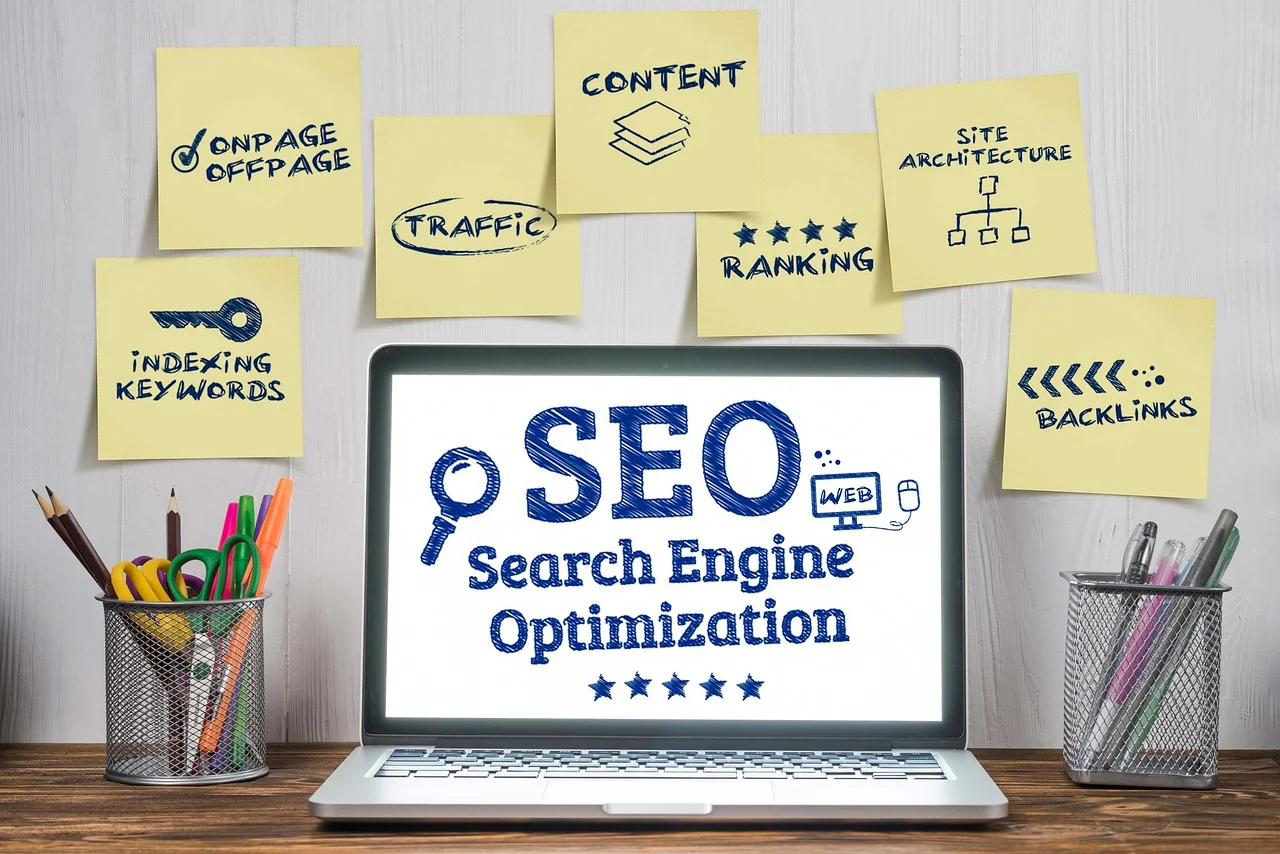
SEO Basics for Small Business Owners in the UK
Search engine optimisation is one of the most valuable digital marketing tools available to small businesses. Yet for many business owners, SEO feels technical, confusing, or overly complex. The reality is that you do not need to understand every algorithm update to benefit from SEO.
By focusing on the fundamentals, small businesses can improve their visibility in search results, attract the right customers, and build long-term growth without relying entirely on paid advertising.
This guide covers the essential SEO basics for small businesses and explains how to apply them in a practical, sustainable way.
What SEO means for a small business
SEO, or search engine optimisation, is the process of improving your website so it appears when people search for services or products you offer. For a small business, SEO is less about traffic volume and more about relevance.
Someone searching for “accountant for self employed Wirral” or “emergency electrician Chester” already has a clear need. SEO helps your website appear at that moment, putting your business in front of people who are ready to take action.
Unlike paid adverts, SEO builds visibility over time. A well-optimised website can continue generating enquiries months or even years after the work is done.
How search engines decide which sites to rank
Search engines aim to show the most useful and trustworthy results for each search. To do this, they evaluate websites based on three broad areas: technical quality, content relevance, and authority.
Technical quality ensures your site works properly. Content relevance ensures your pages answer the searcher’s question. Authority signals help search engines decide whether your business is credible.
You do not need to master every ranking factor. Most small business SEO success comes from consistently getting these three areas right.
Technical SEO basics for small business websites
Technical SEO focuses on how your website is built and how well it performs. A technically sound site makes it easy for search engines to crawl your pages and easy for visitors to use your site.
Website speed is one of the most important factors. Google has confirmed that page speed affects rankings, especially on mobile. Research shows that over 50 percent of mobile users will leave a site if it takes longer than three seconds to load.
Source: https://www.thinkwithgoogle.com/consumer-insights/mobile-site-load-time-statistics/
Mobile usability is equally important. Google now uses mobile-first indexing, which means it primarily evaluates the mobile version of your website when determining rankings.
Other essential technical SEO basics include:
- A secure HTTPS website
- Clear navigation and logical page structure
- Clean, descriptive URLs
- No broken links or error pages
Many of these issues are easiest to solve when a website is built properly from the start.

On-page SEO and content fundamentals
On-page SEO refers to the content on your website and how it is structured. This includes your written text, headings, images, and page metadata.
Every important page on your website should have a clear purpose. Service pages should explain what you offer, who it is for, and how a customer can take the next step.
Page titles and meta descriptions are especially important. The title appears as the clickable headline in search results, while the meta description provides context and encourages clicks. Well-written titles and descriptions can significantly improve click-through rates even if rankings stay the same.
Headings should be used to structure content logically. Clear headings make content easier to read and help search engines understand the main topics on the page.
Images should include descriptive alt text. This improves accessibility and helps search engines understand what the image represents.
Above all, content should be written for people first. Pages that genuinely answer questions and explain services clearly tend to perform better than content written purely for keywords.
Choosing the right keywords for small business SEO
Keywords are the phrases people type into search engines. One of the most common small business SEO mistakes is targeting keywords that are too broad.
Single-word keywords such as “builder” or “marketing” are highly competitive and rarely convert well. Instead, small businesses benefit from targeting more specific phrases that reflect real customer intent.
Longer, more detailed search phrases are known as long-tail keywords. These often have lower competition and higher conversion rates because the searcher knows exactly what they are looking for.
Understanding search intent is just as important as the keyword itself. Some searches are informational, some are comparative, and others are transactional. Your content should match the intent behind the search.

Local SEO for UK small businesses
For businesses that serve a specific area, local SEO is essential. Local SEO helps your business appear in location-based searches and map results.
Your Google Business Profile plays a major role in local visibility. A fully completed profile with accurate details, photos, and regular reviews can significantly improve local rankings.
Consistency is critical. Your business name, address, and phone number should be identical across your website, directories, and listings. Inconsistent details weaken local trust signals.
Local content also helps. Mentioning your service areas naturally within your website and creating dedicated location pages where appropriate can improve relevance for local searches.
Reviews are particularly important. Positive Google reviews influence both customer trust and local ranking performance.
Off-page SEO and building authority
Off-page SEO refers to signals outside your website that indicate trust and credibility. The most important of these are backlinks, which are links from other websites to yours.
Backlinks act as recommendations. A link from a reputable and relevant website tells search engines that your site is trustworthy. Quality matters far more than quantity.
For small businesses, natural backlink opportunities include local directories, professional associations, suppliers, partners, and genuine mentions in relevant publications.
Social media activity does not directly affect rankings, but it helps increase visibility and can lead to more people discovering and linking to your website.
Common SEO mistakes small businesses should avoid
One of the biggest mistakes is expecting immediate results. SEO is a long-term strategy. Most small businesses begin to see meaningful improvements after three to six months of consistent effort.
Another common issue is prioritising quantity over quality. Publishing large volumes of thin or repetitive content rarely produces results and can reduce overall site quality.
Ignoring analytics is also a mistake. Tools such as Google Analytics and Google Search Console provide valuable insight into performance and opportunities for improvement.
Finally, avoid shortcuts such as buying backlinks or using automated tools that promise instant rankings. These approaches often lead to penalties rather than progress.

When professional SEO support is worth considering
Many small business owners start with DIY SEO, which is sensible. However, professional support can be valuable if your website has technical limitations, your market is competitive, or you want a structured long-term strategy.
SEO is most effective when it is integrated into your website from the ground up rather than added as an afterthought.
Final thoughts on SEO basics for small business
SEO does not need to be complicated or intimidating. By focusing on solid foundations, clear content, relevant keywords, and genuine trust signals, small businesses can build long-term visibility and attract the right customers.
Good SEO is not about tricks or shortcuts. It is about clarity, usefulness, and consistency.
For further guidance straight from Google, you can read their official SEO Starter Guide here:
https://developers.google.com/search/docs/fundamentals/seo-starter-guide
Focus on the basics, be patient, and you'll see results.
Need help with your website's SEO? Get in touch for an honest assessment, or explore our website services to see how we can help improve your online presence.